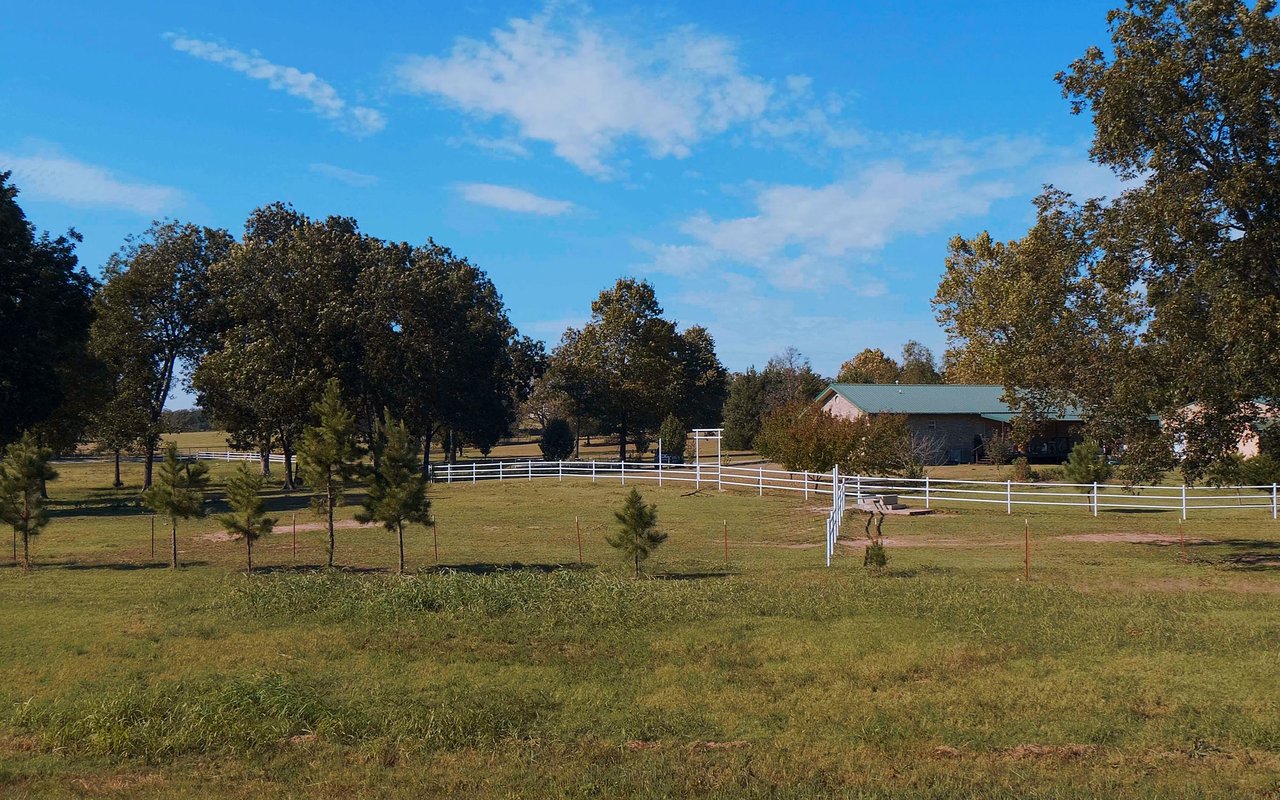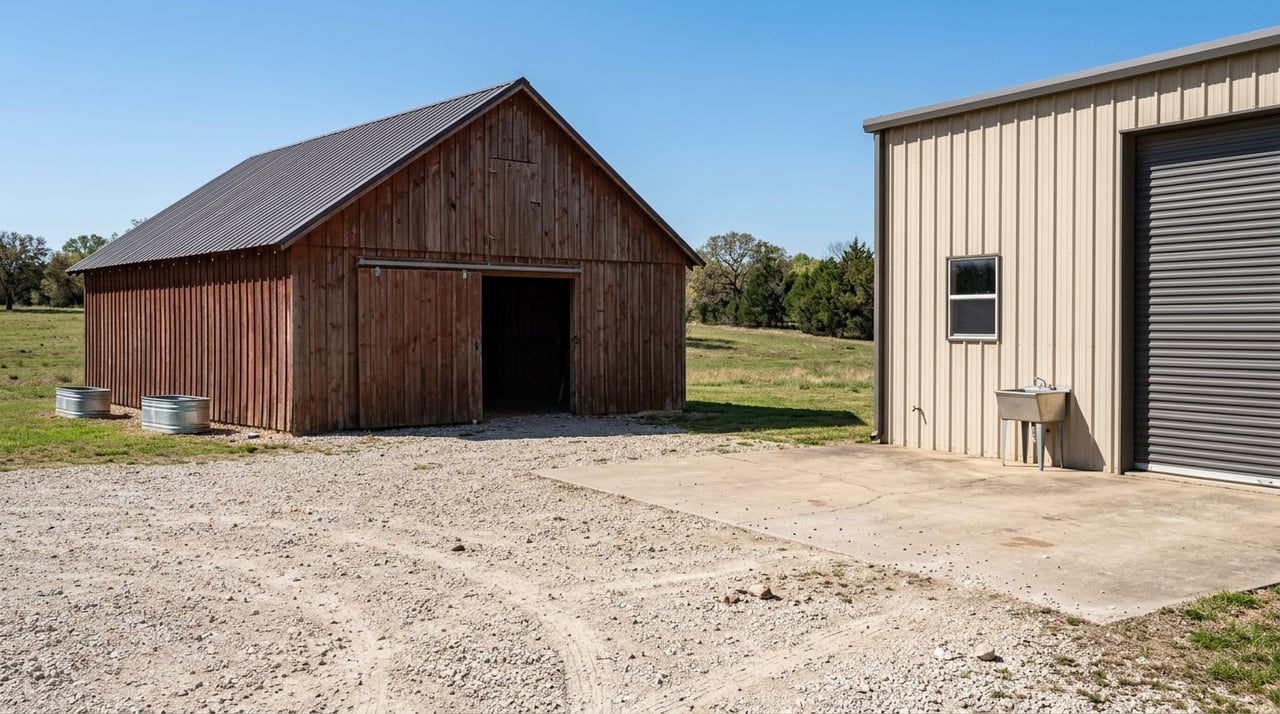
If you are dreaming about a small homestead near Porum, it is easy to fall for a pretty pond, a red barn, or a quiet stretch of pasture. But rural property works best when the basics are already in place. If you know what to check before you buy, you can avoid expensive surprises and find a place that fits the way you actually want to live. Let’s dive in.
Start With Function First
When you tour a small homestead near Porum, the first question is not whether it looks charming. The real question is whether it already functions for your goals. Oklahoma State University guidance for beginning farmers points buyers toward access, easements, flood potential, drainage, zoning, and groundwater concerns before they commit to land.
That matters in the Porum area because rural properties can vary a lot from one parcel to the next. A place that looks perfect in photos may still need major work on roads, water, septic, fencing, or outbuildings. In many cases, the best buy is the property that already has the hard parts figured out.
Know Porum Utility Differences
Town Service vs Rural Systems
Porum sits in Muskogee County, and the Town of Porum’s public works authority provides water, sanitation, and sewer service inside town limits. Outside that service area, you are more likely to rely on private wells and on-site sewage treatment.
That means buyers near Porum should think in two tracks. If the property is in town, utility service may simplify the setup. If it is outside town, you should expect a more hands-on due diligence process that may include well testing, septic verification, and additional site work.
Climate Affects Daily Use
Nearby Muskogee climate normals show about 46.75 inches of average annual rainfall. Average highs reach 92.2°F in July and 92.9°F in August, while average lows fall to around 27°F in January and 31°F in February.
For a small homestead, those numbers are practical, not just interesting. Hot summers can stress pasture and shade planning, while winter freezes can affect water lines, stock tanks, and exposed plumbing. Rainfall also makes drainage and driveway condition a real part of how a property lives day to day.
Evaluate Barns And Shops Carefully
Look Beyond Listing Photos
A barn or shop can add huge value, but only if it is actually usable. It helps to focus on the basics first, including roof condition, slab or floor stability, utility service, and whether the space already fits your intended use.
If you plan to store hay, equipment, fuel, or tools, durability matters just as much as square footage. Oklahoma State University wildfire guidance recommends keeping roofs and gutters clear, moving flammable materials away from exterior walls, using non-combustible mulch near structures, and screening eave openings to reduce ember entry.
Understand Upgrade Costs
Outbuildings can get expensive fast when the shell is not enough. Planning ranges from HomeGuide show a basic pole barn shell at roughly $15 to $40 per square foot. Prefab shops are estimated around $20 to $50 per square foot, while custom shops can run about $50 to $150 per square foot.
Barn costs also vary widely depending on finish and layout. HomeGuide places barns in a rough range of $25 to $100 per square foot, and a 40x60 horse pole barn with stalls can run about $84,000 to $168,000. That is why an existing building with the right slab, utilities, and layout can be far more valuable than a nice-looking shell.
Pens Should Match Your Use
If you plan to keep livestock, working pens deserve a close look. Oklahoma State University cattle-handling guidance says pens should support safe sorting and movement, with about 20 square feet per head for mature cattle and a maximum of about 50 head per pen for many small operations.
For many buyers, several smaller pens work better than one oversized catch pen. A setup that lets you separate animals, move them safely, and work them without major redesign is often a better long-term fit for a small homestead.
Pasture Is More Than Green Grass
Check Forage And Soil Potential
Good pasture is about more than appearance. Oklahoma State University notes that county soil surveys include information on precipitation, soil texture, depth, and suitability for forage production, crops, and wildlife.
Soil testing is also one of the most economical investments a producer can make. If you are buying for horses, cattle, or hobby use, you want to know whether the land can support that use, not just whether it looks green on the day you tour it.
Be Realistic About Horse Acreage
Small-acreage horse properties can be harder to manage than buyers expect. Oklahoma State University says some parcels are better treated as dry lots than true grazing pasture, and rotational grazing or temporary subdivision fencing may be needed to keep forage viable.
That means acreage alone does not tell the whole story. A smaller property with a workable grazing plan and flexible fencing may serve you better than a larger tract that cannot recover under regular use.
Water Sources Need Close Review
Well, Pond, Or Utility Water
Water is one of the most important parts of any small homestead. You should identify the source early, whether that is town service, a private well, a pond, or another rural setup.
If the property uses a private well, the owner is responsible for safety and maintenance. Oklahoma State University says wells should be tested at least annually for nitrates, total dissolved solids, pH, and fecal coliform. Older hand-dug wells can also be more vulnerable to contamination from surface runoff.
Well And Septic Placement Matters
When a property has both a private well and a septic system, location matters. Oklahoma State University recommends at least 75 feet between a water well and a septic system, or 100 feet if the well is downslope from the septic drain field.
If the seller has records, ask for the well identification number, construction log, inspection reports, and recent test results. Those documents can help you understand how the system was built and whether it has been maintained properly.
Ponds Need Management Too
A pond can be a valuable feature, but it should not be treated as a simple bonus. Oklahoma State University says many Oklahoma landowners use ponds for livestock water, but livestock should be kept off the dam and basin when possible, with a freeze-proof stock tank or limited-access watering point instead.
When livestock wade directly into pond edges, it can lead to muddy water, erosion, and animal health issues. On a working property, water systems, barn placement, and pasture layout should be evaluated together.
Access And Drainage Can Make Or Break A Deal
Confirm Legal Access
Access is one of the biggest rural buying issues near Porum. Oklahoma State University’s land-purchase checklist specifically calls out road quality, crossing another person’s property, existing easements, flood potential, drainage, wetlands, and zoning restrictions.
Do not assume a visible driveway means clean access. Oklahoma State University’s Oklahoma real estate ownership guidance explains that easement issues can be more complicated than they appear, which is why title work matters on rural parcels.
Budget For Roads And Lanes
A gravel lane may look simple, but it still carries real cost. HomeAdvisor planning ranges put typical gravel driveway or road work at about $500 to $3,500 overall, while a 1/10-mile, 16-foot-wide private road can run roughly $10,600 to $33,920 before major grading or drainage issues are added.
In the Porum area, rainfall also raises the stakes. With average annual precipitation near 46.75 inches, low spots, soft access points, runoff, and wet-weather lane problems deserve careful attention before you buy.
Treat Septic Like A Project
For many rural homes near Porum, septic is a major part of the property setup. The Oklahoma Department of Environmental Quality says most rural homes and businesses in the state are not served by public sewer systems and rely on on-site sewage treatment systems.
That means septic should be viewed as a permitting and condition issue, not just a box to check. Ask whether the system is permitted, where the lateral lines are located, and whether any DEQ soil-test or plan-review paperwork is available.
Current DEQ planning fees include $347.89 for a DEQ-augered soil test, $208.73 for applicant-provided pits, and $278.28 for an alternative-system plan review. Septic installers, pumpers, and haulers must also be certified or licensed by DEQ.
Plan Improvement Costs Early
If the property needs work, rough planning ranges can help you compare options without guessing. Here are a few cost ranges from the research to keep in mind:
- Barn or shop shell: about $15 to $40 per square foot for a basic pole barn shell
- Prefab shop: about $20 to $50 per square foot
- Custom shop: about $50 to $150 per square foot
- General barn range: about $25 to $100 per square foot
- Horse barn with stalls: about $84,000 to $168,000 for a 40x60 setup
- Fence work: wood fencing around $5 to $20 per linear foot, metal fencing around $30 to $50 per linear foot
- Well installation: about $3,000 to $9,000 on a typical residential well, with additional costs possible for permits, pressure tanks, and treatment
- Septic installation: about $3,600 to $10,000 before unusual soil or design issues
- Gravel drive or lane: about $500 to $3,500, with longer private roads often costing much more
These are planning ranges, not property-specific quotes. Still, they help explain why a homestead with legal access, dependable water, workable pasture, and usable outbuildings often has more real value than a prettier place that needs major infrastructure work.
A Smart Tour Checklist
When you walk a small homestead near Porum, try to stay focused on the features that affect daily use and long-term cost. A simple checklist can help:
- Confirm deeded access, easements, road quality, and wet-weather drainage
- Identify the water source and ask for well records and recent test results if applicable
- Ask whether the septic system is permitted and whether DEQ paperwork exists
- Check barn and shop basics, including roof condition, floor quality, power, and storage layout
- Look at pasture with a practical eye, especially if you plan to keep horses or livestock
- Pay attention to pond setup, fencing, and whether the land supports rotation or separation
The best Porum-area homesteads are usually not the flashiest. They are the ones that already support the lifestyle you want, with fewer unknowns and fewer expensive fixes waiting after closing.
If you want help sorting through barns, pasture, wells, access, and the real-world details that matter on rural property, Jeremy Grumbles can help you evaluate the options and move forward with confidence.
FAQs
What should you check first when buying a small homestead near Porum?
- Start with access, water, sewage, drainage, easements, and outbuilding function before you focus on appearance.
Does a rural property near Porum usually have city utilities?
- Not always. Inside Porum town limits, water, sanitation, and sewer service may be available, but rural parcels outside that area are more likely to use private wells and on-site sewage systems.
How important is pasture quality on a Porum-area homestead?
- It is very important because usable pasture depends on forage, soil, water, and management, not just how green the land looks during a showing.
What should you ask about a private well on land near Porum?
- Ask for the well ID, construction records, inspection reports, and recent water test results, and remember that Oklahoma State University recommends annual well testing.
Why do barns and shops need closer review before buying?
- Because the real value is in function, including the roof, floor, utilities, layout, and fire-safety details, and those features can be expensive to add later.
What septic questions matter for a rural home near Porum?
- Ask whether the system is permitted, where the lateral lines are located, whether soil-test paperwork exists, and whether any DEQ plan-review documents are available.