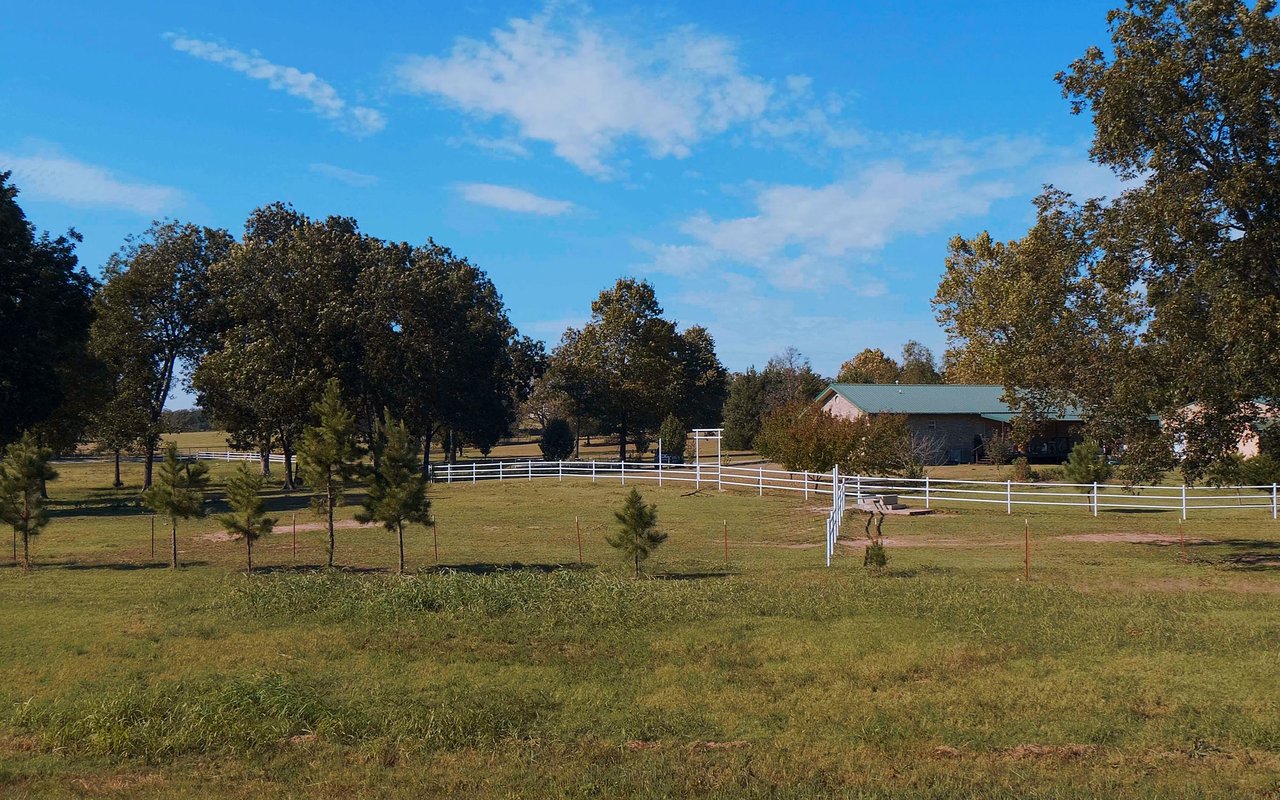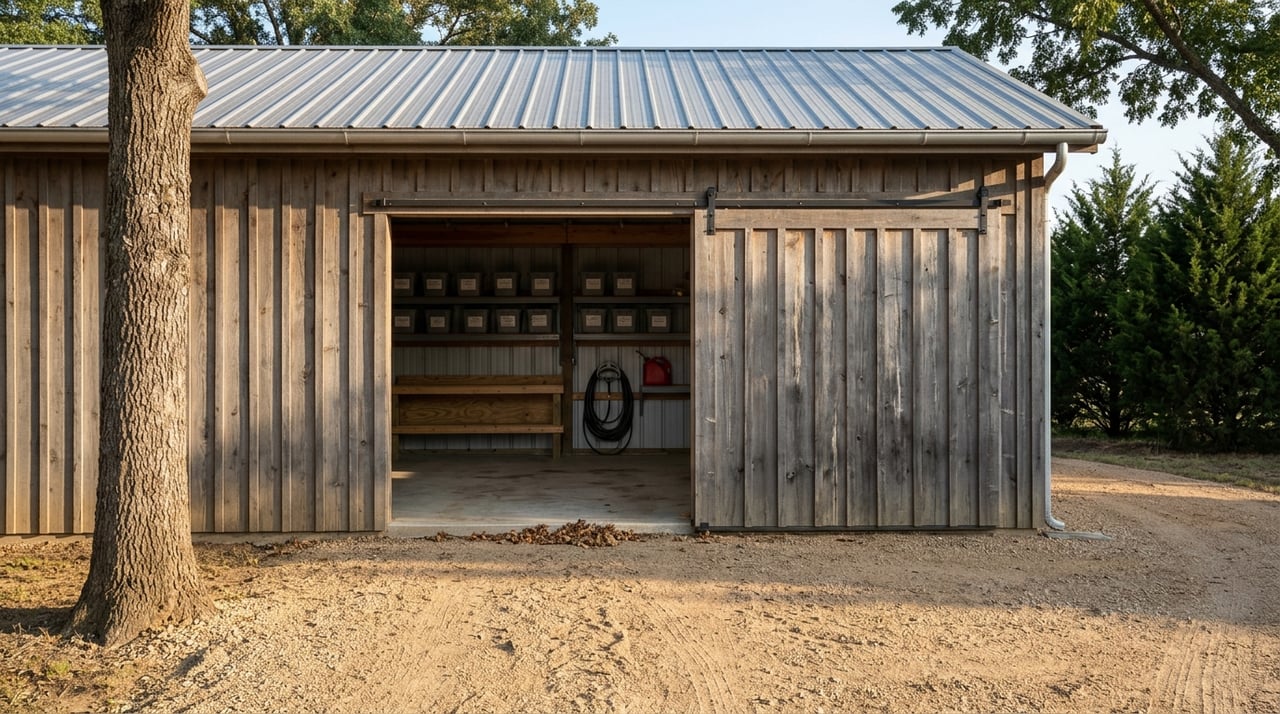
If you are getting ready to sell land or a ranch property in Porum, you already know buyers do not look at acreage the same way they look at a house in town. They want to know how the land works, how it is accessed, what improvements are in place, and whether the paperwork matches what they see on the ground. When you prepare both the property and the records before listing, you make it easier for buyers to say yes and easier for your sale to stay on track. Let’s dive in.
Why Porum land buyers look deeper
Porum sits in Muskogee County, and land sales here are shaped by how rural property is used, documented, and compared. Oklahoma Real Estate Commission contract forms separate vacant tracts, land with or without dwellings, and farm, ranch, or recreational land, which tells you right away that acreage is evaluated differently than a standard residential property.
That matters because buyers are often focused on more than just price per acre. They are looking at access, utilities, fencing, outbuildings, wells, septic systems, and whether the property is set up for pasture, a homesite, recreation, or a mix of uses. In a place like Porum, usable and documented land often stands out faster than land that is only large.
Start with the property’s real-world function
Before you list, get clear on how the property is best described. Is it primarily pasture, a future homesite, recreational acreage, or a mixed-use tract with improvements? That description helps shape pricing, marketing, and buyer expectations from the start.
You also want to think like a buyer walking the land for the first time. If someone pulls through the gate, can they quickly understand the layout, improvements, and access points? The easier the property is to read, the easier it is for a buyer to picture owning it.
Highlight the features buyers ask about
Most Porum acreage buyers want answers to a few key questions early in the process:
- Is legal access recorded?
- Where are any easements or right-of-way areas?
- What utilities serve the property?
- Is there a well, septic system, rural water, or some combination?
- What improvements stay with the sale?
- Are there livestock, equipment, or accessories that need separate decisions?
If you can answer those questions clearly before the property hits the market, your listing will feel stronger and more credible.
Clean up access, gates, and visibility
One of the most practical things you can do is make the property easy to enter, drive, and inspect. Buyers need to move through the tract without guessing where to go or worrying about blocked lanes, hidden gates, or debris.
Focus first on the entry and interior paths. Clear overgrowth around the entrance, make sure gates open and latch properly, and tidy up drive lanes or field access routes. A clean approach sets the tone for the whole showing.
Tidy what buyers can see fast
Rural buyers tend to notice practical improvements quickly. That includes fences, barns, loafing sheds, pens, and equipment storage areas. If these features are part of the value, you want them to look functional and easy to understand.
A good prep pass may include:
- Removing trash piles or scattered debris
- Hauling off abandoned equipment
- Straightening up fence lines where possible
- Organizing outbuildings
- Making gates visible from main travel paths
You do not need to make a ranch look perfect. You do want it to look maintained, usable, and straightforward.
Make a plan for livestock and personal property
If livestock are on the property, settle the plan early. Oklahoma forms for farm, ranch, and recreational property treat livestock removal and accessories as transaction details, not side notes. That means buyers and sellers should know what stays, what goes, and when removal will happen.
The same idea applies to feeders, panels, portable corrals, equipment, and other personal property. If something is not included, be clear about it before marketing starts. If something is included, identify it clearly so there is less room for confusion later.
Address septic issues before listing
If your Porum property has a septic system, this is one area worth checking before it goes live. Oklahoma State University notes that septic systems require care and maintenance, are governed by Oklahoma rules, and are commonly inspected before a sale. It also notes that a malfunctioning septic system can hurt both value and marketability.
That does not mean every system needs major work. It does mean you should gather records, understand the system’s condition, and avoid creating new issues while the property is being prepped.
Protect the drainfield area
OSU guidance says septic systems need a dedicated repair area and warns against building over that area. It also makes sense to keep structures and vehicles off the drainfield or designated repair area.
If you are cleaning up the property, be careful where you park heavy equipment or place materials. A simple mistake in the wrong spot can create a larger problem during due diligence.
Gather your records before the sign goes up
For Porum land and ranch listings, documentation matters almost as much as presentation. Muskogee County land records are handled by the county clerk, and the county assessor says real estate records are available online and free to the public. That means buyers can check the file, so it helps when your records are already organized.
Start with the basics and build from there. When the paper trail is clean, your listing feels more serious, and your transaction usually moves with fewer surprises.
Core documents to collect
Try to gather:
- Current deed
- Full legal description
- Recorded easements or access agreements
- Survey or plat, if one exists
- Any available records tied to utilities or improvements
OREC land and farm or ranch forms include a legal description supplement, which shows how important accurate property identification is in an Oklahoma land sale.
Well records to pull together
If the property has a private well, collect as much support as you can. The Oklahoma Water Resources Board provides access to groundwater well record information, including details such as completion date, depth-to-water, yield, and related data.
Helpful records may include:
- Well log
- Pump or service records
- Water testing paperwork
- Any repair history you can locate
Even if a buyer plans to do independent due diligence, having these records ready can save time and add confidence.
Septic records to pull together
If there is a septic system, gather the paperwork tied to installation and maintenance. OSU septic guidance emphasizes permits, soil characterization, certified installers, and inspection as part of proper septic management.
Useful records may include:
- Installation permits
- Soil or perc paperwork
- Installer contact information
- Service records
- Pumping receipts
- Maintenance or warranty records
The goal is simple: help a buyer understand what is there and how it has been maintained.
Know when disclosures apply
If your property includes one or two residential dwelling units, Oklahoma’s Residential Property Condition Disclosure Act applies. The seller must provide the disclosure form no later than before an offer is accepted, and any newly discovered defect must be updated before acceptance.
If the property includes a pre-1978 dwelling, lead-based paint disclosure materials may also apply in a residential transaction. This is another reason it helps to identify early whether your listing is raw land, land with a dwelling, or a more complex farm or ranch property with multiple components.
Price with land use in mind
Pricing a Porum land or ranch listing is not just about multiplying acres by a broad statewide number. Oklahoma State University’s land-values program tracks annual averages by region and land-use category, and Muskogee County falls in the Northeast Region. That means local and use-specific comparisons are usually more defensible than a one-size-fits-all rule of thumb.
A tract with solid access, useful fencing, a dependable water source, and functional improvements may deserve a different comparison set than acreage that is less developed or harder to use. The best pricing story is usually built on documentation and usability, not just size.
Features that can affect value
When reviewing comparable sales, buyers and sellers often weigh:
- Road access
- Recorded legal access
- Fence condition
- Water source
- Septic status
- Barns or outbuildings
- Pasture usability
- Included accessories or improvements
In short, two properties with the same acreage can perform very differently in the market.
Build a marketing package around facts
When rural buyers scan a listing, they usually want the practical details first. Lead with the facts that matter most in a Porum land sale: access, gate condition, fence lines, water source, septic status, pasture setup, and the condition of any barns or outbuildings.
You also want to be clear about what is included. If livestock, equipment, or accessories are part of the sale, say so plainly. If they are excluded, that should be clear too.
A strong listing package helps buyers understand the property before they ever schedule a showing. It also helps attract the right type of buyer, whether that person is looking for pasture, a homesite, recreational use, or a combination of uses.
Final steps before you list
Before your Porum land or ranch listing goes live, walk through a final checklist. Make sure the property shows clearly, the records are organized, and the major utility and access questions have answers. That preparation can reduce back-and-forth, support pricing, and make your property easier to market with confidence.
Selling rural property is not about making it look flashy. It is about making it easy to understand, easy to evaluate, and easy to verify. If you want practical help getting your Porum land or ranch listing market-ready, Jeremy Grumbles can help you sort through the details and build a clear plan.
FAQs
What should you fix before selling land in Porum, Oklahoma?
- Focus on access, gates, visible debris, fence condition, outbuilding appearance, and any known septic issues that could affect inspections or marketability.
What documents do you need to sell a ranch property in Muskogee County?
- Start with the deed, legal description, recorded easements or access agreements, and any survey or plat, then add well, septic, and improvement records if they exist.
How do buyers evaluate Porum acreage listings?
- Buyers often look at legal access, utilities, well or septic information, improvements, land use, and whether included items such as accessories or livestock are clearly documented.
Does a septic system matter when selling Porum land with a home?
- Yes. OSU guidance notes septic systems are commonly inspected before a sale, and a malfunctioning system can reduce value and marketability.
How should you price land or ranch property in Porum?
- Use Muskogee County and Northeast Region comparisons that match the tract’s land use and improvements rather than relying on a broad statewide price-per-acre estimate.
When do disclosures apply to land with a dwelling in Oklahoma?
- If the property includes one or two residential dwelling units, Oklahoma’s Residential Property Condition Disclosure Act applies, and the disclosure must be delivered before an offer is accepted.