Thinking about buying land or a small ranch around Henryetta? You’ve probably noticed a wide spread in parcel sizes, features, and prices. From town lots to hobby acreage and big hunting tracts, the choices can feel exciting and a bit overwhelming. In this guide, you’ll learn how the local market works, what drives price per acre, and how to evaluate any listing with confidence. Let’s dive in.
Henryetta land at a glance
Henryetta and greater Okmulgee County offer everything from in‑town lots under an acre to ranch and recreation tracts over 600 acres. Listing snapshots often show average asking prices in the low thousands per acre, but values swing widely by use and features. Marketplaces also aggregate different sets of listings, so treat their numbers as a starting point, not a promise.
- Many Henryetta‑area listings show average tract sizes around 40+ acres and list‑price‑per‑acre figures in the low thousands. These are asking prices, not closed sales. You can browse an example listing to see how features are presented on sites like LandSearch.
- County-level list-price medians vary by platform. One snapshot from Land.com places Okmulgee County near about $7,400 per acre based on list data. Use that as context, then verify with local closed sales. See the current county page on Land.com.
- Recent examples show the range. A 70± acre tract with pond and hunting access listed around $350,000 (about $5,000 per acre) on Fields Land Company. A 600± acre recreational and grazing tract near Henryetta was marketed at roughly $1.89M (about $3,100 per acre) on Cross Timbers Land.
Inventory commonly runs in the dozens to low hundreds countywide on major land sites. Median days on market for rural land often stretches into months, and some county snapshots report well over 100 days. That slower pace is normal for recreational and ranch properties.
For agricultural context, statewide cropland and pasture values in Oklahoma trend below national averages but have shown steady appreciation in recent years. That benchmark helps you compare income‑oriented acres against recreational or wooded parcels popular around Henryetta. Review the latest state and regional context from USDA ERS.
Common parcel sizes and uses
Small town and edge lots
You’ll see lots under 1 acre in town and small parcels up to a few acres at the urban edge. These appeal to buyers planning a primary home, a cabin, or a simple weekend base. Key checks include zoning, access, utilities, and septic or sewer availability.
Hobby acreage: 5 to 40 acres
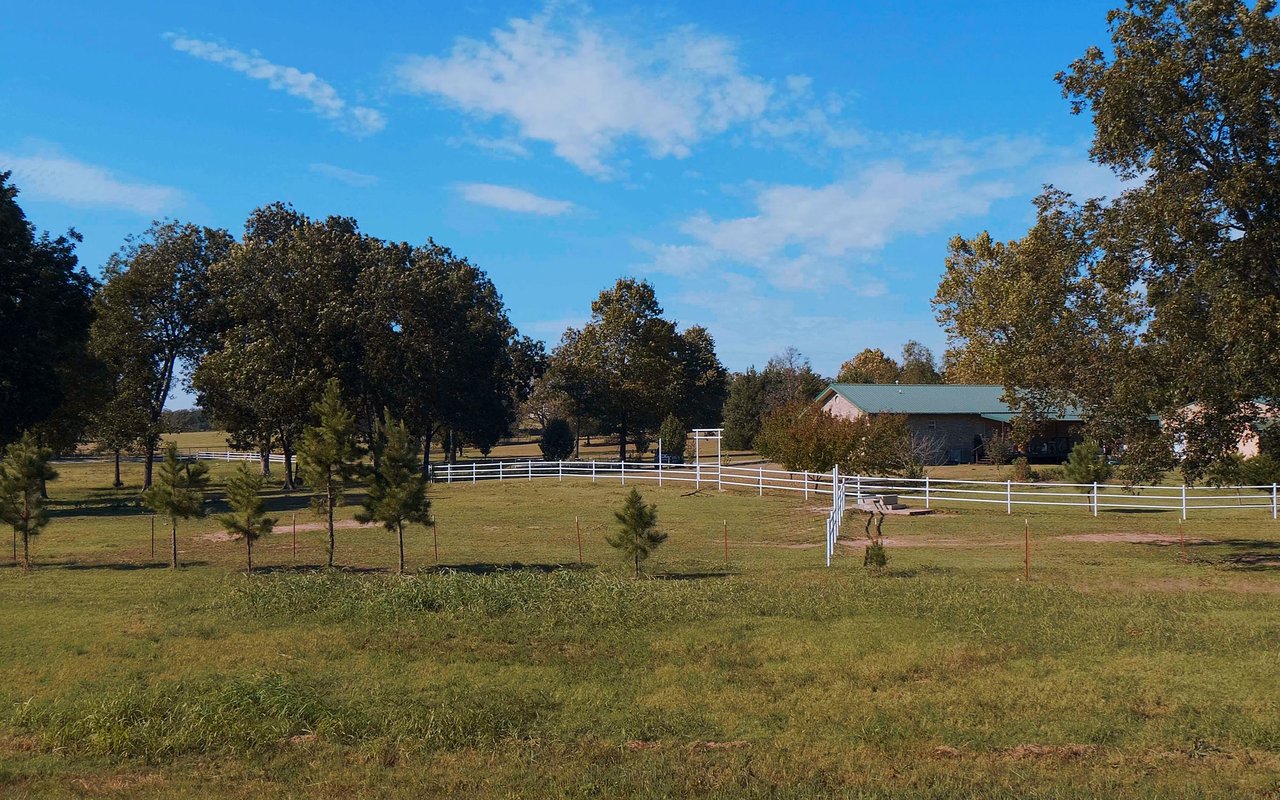
This is a sweet spot for many buyers who want room for a home, a barn, a horse or a few cattle, and some light recreation. Parcels may mix pasture and woods. Look for fencing quality, water sources, and power access. If you plan to build, confirm rural water or well feasibility early.
Ranch and recreation tracts: 40 to 800+ acres
Larger properties vary from grazable pasture to timbered wildlife habitat with ponds or creek frontage. Many listings highlight hunting and fishing potential, especially with nearby natural resources like the Deep Fork corridor. For a sense of local recreation draws, review the hunting overview from Deep Fork National Wildlife Refuge.
What drives price per acre
Every tract is unique, but a handful of features consistently move the needle in the Henryetta area:
- Legal access and road type. Recorded frontage on a paved public road usually commands a premium. Long gravel drives or private easements often discount value. You’ll see paved access emphasized on broker pages like Cross Timbers Land.
- Utilities and water availability. Electric service and rural water access can be decisive for both buyers and lenders. Check provider territories and hookup details with local utilities or investor‑owned providers such as PSO. You can start with the provider profile for PSO on Find Energy.
- Septic and well feasibility. If sewer is not available, plan for a permitted septic system and, in some cases, a private well. Permitting timelines and install costs can materially affect your budget.
- Water features and habitat. Ponds, creeks, and lake adjacency add strong recreational value and often raise per‑acre pricing. Listings marketed for hunting and fishing highlight these features, as seen in examples on Fields Land Company.
- Proximity to highways and towns. Easy access to US‑75 or I‑40 and reasonable drive times to Tulsa or regional services can support higher pricing, especially for weekend or second‑home buyers.
- Mineral rights. In Oklahoma, severed mineral estates are common. Whether minerals convey, are leased, or have active production can affect both value and surface use. For a plain‑English primer, see this overview for Oklahoma royalty owners on Studylib.
- Market niche and end use. A cabin lot near Lake Henryetta will price differently than a working cattle pasture or a timber management tract. Read listing language closely to understand the intended use and the buyer profile being targeted.
How to read a Henryetta land listing
Use this checklist when you find a parcel you like. It helps you separate great fits from costly surprises.
- Confirm acres and legal description
- Ask for the recorded deed and the most recent survey or plat. If exact acres matter for financing or tax classification, consider making your offer contingent on a new boundary survey.
- Verify access and road status
- Identify whether access is via a public road or private easement. Confirm that any easement is recorded and usable year‑round.
- Check utilities and broadband
- Contact the electric provider and the rural water district or city water office for service availability, capacity, and hookup costs. For power territory and contacts, start with resources like Find Energy’s PSO page. For internet, confirm actual speeds with providers and consider satellite or 5G home options where wired service is thin.
- Evaluate septic and well feasibility
- If there’s no sewer, plan for a soil evaluation and septic design. If a private well is likely, check local driller availability and anticipated depths based on Oklahoma records and guidance.
- Pull floodplain maps
- Use the FEMA Flood Map Service Center to see official panels and zones. Bottomland near creeks may sit in flood‑prone areas, which can limit building sites and affect insurance. Start your check at the FEMA Map Service Center.
- Clarify mineral rights and oil and gas activity
- Ask directly whether minerals convey. If minerals are reserved or leased, request lease documentation and confirm any active wells or pooling orders. Review a basic Oklahoma primer on Studylib and consult an attorney for complex cases.
- Review easements, covenants, and rights‑of‑way
- Utility, pipeline, and ingress/egress easements can affect building locations and long‑term use. A title commitment and survey should reveal recorded encumbrances.
- Understand taxes and assessment classification
- Ask the seller for current tax bills and check the county assessor’s classification. For how county offices manage assessment and millage in Oklahoma, see this overview from OSU Extension.
- Compare to recent closed sales
- Listing-site medians are helpful context but may not match final sale prices. Request local comps and closed transactions from your agent.
- Plan inspections and due diligence
- Order a boundary survey, title work, and septic soil test. For larger or specialized tracts, consider a timber appraisal, a wetland review, or an appraiser experienced with rural land.
Buying smart in Henryetta
- Define your end use first. A quiet homesite, a weekend hunting camp, or a small cattle setup each point you to different features and budgets.
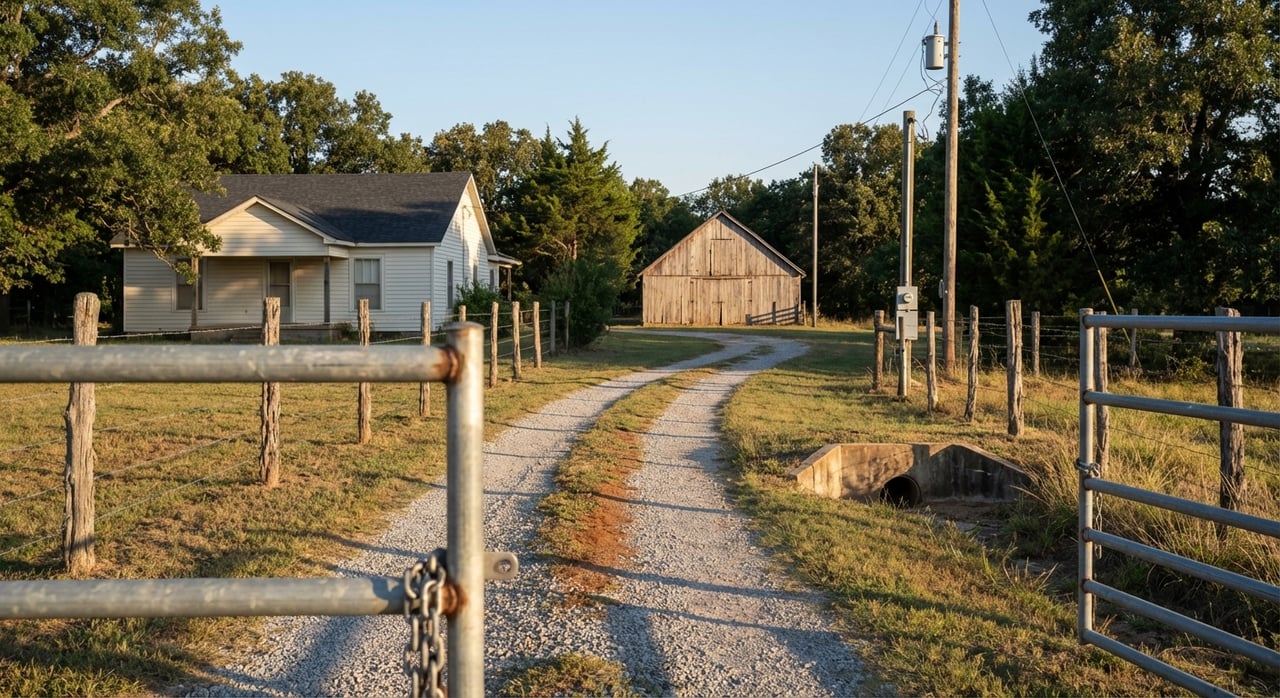
- Budget for improvements. Fencing, driveways, gates, water lines, clearing, and culverts add up. Price them now, not after you close.
- Weigh water features and habitat honestly. Ponds, creeks, and mature timber often justify higher asking prices if recreation is your priority.
- Be patient and precise. Days on market can be long for rural land. Use that time to verify access, utilities, minerals, and buildability.
- Think about the drive. Proximity to US‑75 and I‑40 keeps Tulsa and regional services within reach and can improve long‑term resale.
Work with a local guide
The right agent helps you line up surveys, utility confirmations, and title checks while keeping your goals front and center. If you want practical, hands‑on guidance from someone who knows fencing, pasture, water, and rural improvements, reach out to Jeremy Grumbles. Schedule your free consultation and get a clear plan for your Henryetta land search.
FAQs
What is the average price per acre in Okmulgee County right now?
- Listing snapshots from Land.com place county medians near about $7,400 per acre, but that is list data, not closed sales; local examples around Henryetta show a wide range from roughly $3,100 to $5,000 per acre depending on features and size.
Do mineral rights usually convey with Henryetta land?
- In Oklahoma, minerals are often severed; always ask if minerals convey and review any leases, using resources like the Oklahoma primer on Studylib for background.
How long do Henryetta land listings stay on the market?
- Rural land commonly sits for months, and some county summaries report median days on market well over 100; that slower pace is typical for recreational and ranch tracts.
What parcel sizes are common for small ranch or hobby use near Henryetta?
- You’ll most often see 5 to 40 acres marketed for small-horse setups, light cattle, and a home or cabin, with larger tracts aimed at grazing and recreation.
What should I verify before making an offer on a Henryetta tract?
- Confirm legal access, utilities, septic/well feasibility, floodplain status, mineral rights, recorded easements, current taxes, and recent closed-sale comps, then order a survey and title work.
Is flooding a concern on creek or bottomland tracts?
- Low-lying parcels near creeks can include flood zones that affect building and insurance; check the FEMA Flood Map Service Center for official panels before you buy.