Trying to decide between an in-town home and a place with a little land in Muskogee? That choice often sounds simple until you start thinking about water, septic, mowing, commute time, and how much day-to-day property work you actually want. If you are weighing convenience against extra space, this guide will help you sort out what fits your lifestyle, your budget, and your comfort level with property upkeep. Let’s dive in.
Start With the Real Tradeoff
In Muskogee, this decision is usually not just about square footage or price. It is more about whether you want city services handling more of the basics, or whether you are comfortable taking on more responsibility yourself.
For many in-town homes, the City of Muskogee service structure covers key utilities and municipal functions. That can include water, sewer, stormwater, and garbage collection through the city utility bill, with water and sanitary sewer operations handled through the Muskogee Municipal Authority.
With small-acreage property, the setup can look very different. Outside the city core, a property may depend on a rural water district or a private well, and it may also rely on an on-site sewage system instead of city sewer.
What In-Town Living Usually Offers
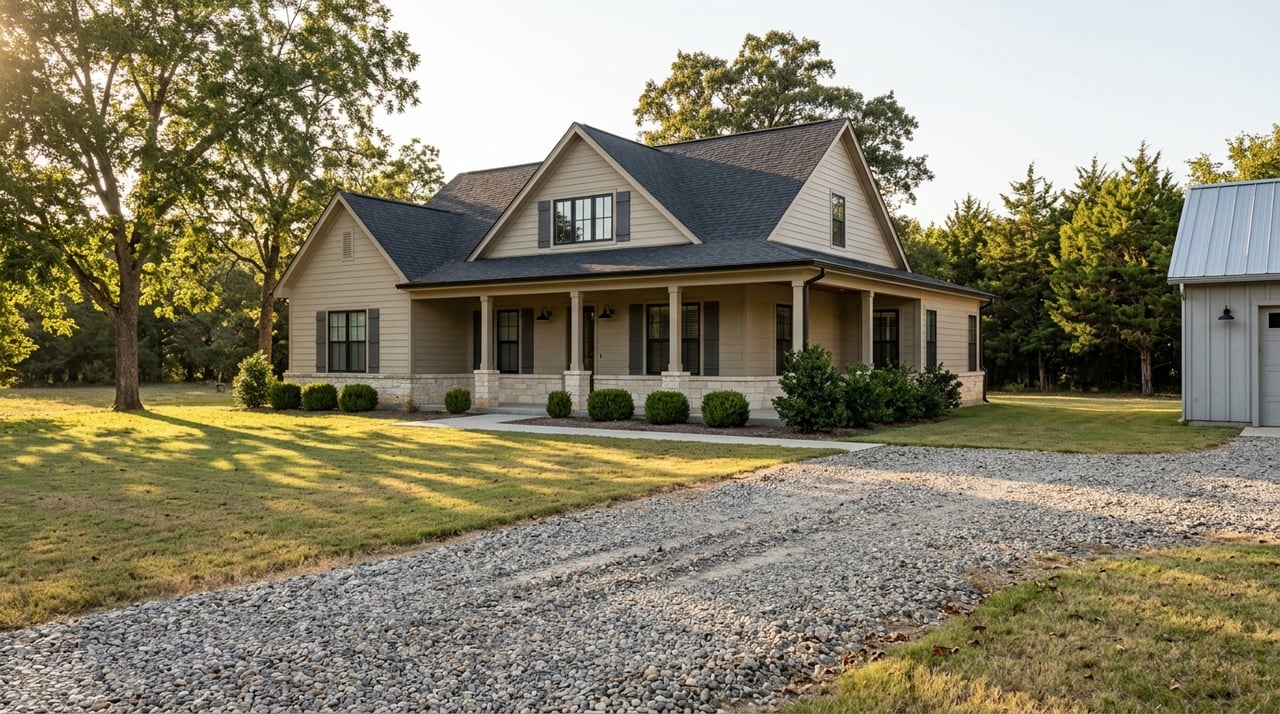
If your top priority is convenience, an in-town Muskogee home may feel like the easier fit. City services can simplify the basics of daily homeownership and reduce the number of property systems you need to monitor yourself.
That matters more than many buyers expect. When water, sewer, and refuse are part of the city service structure, you may spend less time thinking about utility logistics and more time focusing on the home itself.
This can be especially helpful if your schedule is busy or if you want a more straightforward maintenance routine. A smaller lot and a more connected utility setup often mean fewer moving parts.
City Services to Think About
When you look at homes in Muskogee city limits, ask how the property is set up for:
- Water
- Sewer
- Stormwater
- Garbage collection
- Street access and municipal services
Knowing what is already handled through city systems can help you compare homes more clearly against acreage properties.
What Small Acreage Really Adds
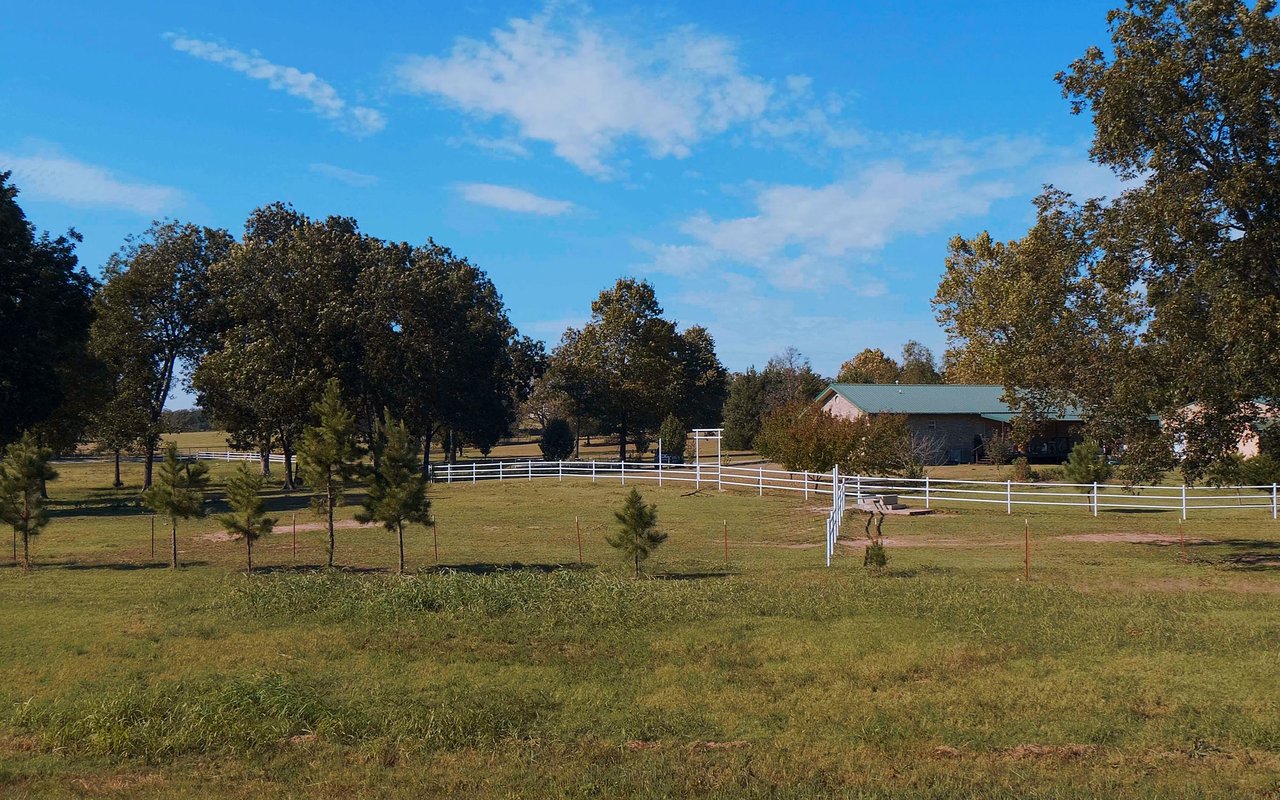
A small-acreage property can give you more room to spread out, more privacy, and more flexibility in how you use the land. That extra space is a big draw for buyers who want room for equipment, gardens, animals, or simply more distance from neighbors.
But acreage also adds more owner responsibility. If the property has a private well, Oklahoma guidance makes clear that the owner is responsible for water quality and regular testing.
If the property has an on-site sewage system, the homeowner is also responsible for maintenance. Oklahoma DEQ says septic system type and approval depend on lot size, soil conditions, and authorization to construct.
That does not mean acreage is a bad choice. It just means you should be honest about whether you want land as part of your lifestyle, not just as part of the listing photos.
Acreage Often Means Managing More
With a small-acreage property, you may need to stay on top of:
- Well testing and upkeep
- Septic records and pumping history
- Mowing and irrigation needs
- Fence inspection and repairs
- Brush control along fence lines
For the right buyer, that work is worth it. For others, it can become more ongoing time and expense than expected.
Utilities Matter More Than the House
One of the smartest ways to compare a Muskogee home to small acreage is to start with the utility setup before you get attached to the property. A nice house can still be the wrong fit if the site systems do not match your comfort level.
For rural water, one key question is simple: which system actually serves the parcel? A local example is Muskogee County Rural Water District No. 5, but the main point is to verify service instead of assuming it.
The Oklahoma Corporation Commission notes that city and rural water districts are not regulated by OCC, and it directs water-rate questions to the local municipality or the Oklahoma Rural Water Association. For a buyer, that means service verification is a practical first step.
Questions to Ask About Water
Before you make an offer, ask:
- Is the property on city water, a rural water district, or a private well?
- If it has a well, is there recent water testing?
- Are there maintenance records for the well system?
- Are there any known service limitations for the parcel?
These questions can save you from surprises later.
Septic Is a Big Decision Point
If you are leaning toward acreage, septic deserves special attention. Oklahoma DEQ says the Report for On-Site Sewage helps determine what system types are allowed, and soil profile tests help determine site suitability.
DEQ also says an Authorization to Construct is required before installing or modifying a septic system. Just as important, maintenance stays with the homeowner, and periodic pumping is essential for long-term operation.
That makes documentation valuable. If a property has septic, you want to know not only that it exists, but also how it was installed, what records are available, and how it has been maintained.
Septic Documents to Request
Ask for:
- Soil report, if available
- Installation records
- Repair or modification records
- Pumping history
- Any available DEQ-related paperwork
A seller may not always have every item, but the more complete the file, the better you can understand the system.
Commute Can Tip the Scale
A lot of buyers focus on the house and land first, then realize the drive changes everything. In Muskogee, commute decisions are shaped by whether you want direct access to major routes or are comfortable spending more time on local rural roads.
ODOT project material notes that US-69 runs north-south directly through Muskogee. The Muskogee Turnpike also provides a four-lane limited-access route that extends 53.1 miles from Tulsa to I-40 near Webbers Falls, with an interchange at Muskogee.
For you, the question is practical. Do you want quicker access to highway or turnpike travel, or does a longer drive from a rural parcel still fit your routine?
Think Beyond Miles
When comparing homes, consider:
- How often you commute each week
- Whether you need fast access to US-69
- Whether turnpike access matters for your work or travel
- How comfortable you are driving local roads daily
Sometimes a property that looks close on a map feels much farther in real life.
Daily Upkeep Changes the Experience
Acreage can absolutely be worth it, but it tends to reward buyers who enjoy caring for land. OSU guidance notes that mowing and irrigation depend on site conditions and soil, and fencing requires regular inspection, repairs, and brush control.
That means the lifestyle difference is real. Even if the house itself is similar to one in town, the land changes your weekly routine.
Some buyers want that hands-on ownership. Others would rather have less exterior work and more time for everything else.
How to Know What Fits You Best
If you are still on the fence, try framing the decision around your habits instead of your wish list. The best fit is usually the property type that matches how you actually want to live week to week.
An in-town Muskogee home may fit you better if you want simpler utility service, less land maintenance, and easier access to city infrastructure. A small-acreage property may fit better if you want more room and are ready to manage well, septic, mowing, fencing, and other land-related needs.
Neither option is better across the board. The right choice depends on how much independence, upkeep, and driving you are willing to take on in exchange for space.
A Simple Buyer Checklist
Use this quick checklist as you compare properties in Muskogee:
- Confirm whether the property uses city water and sewer, rural water, or a private well
- If there is a well, ask for recent water testing and maintenance records
- If there is septic, request soil, installation, and pumping records
- Think honestly about mowing, fencing, and brush control
- Test the commute based on the roads you would actually use
- Compare convenience needs against your desire for land and privacy
When you ask the right questions early, it becomes much easier to tell whether a home or a small-acreage property truly fits.
If you are sorting through the pros and cons of Muskogee homes versus small acreage, having local, practical guidance helps. Jeremy Grumbles can help you evaluate the property details that matter most so you can move forward with confidence.
FAQs
What should you check first when buying small acreage in Muskogee?
- Start by verifying whether the property has city water and sewer, rural water service, or a private well and septic system.
What are the utility differences between a Muskogee home and acreage property?
- In-town Muskogee homes often connect to city-managed water, sewer, stormwater, and garbage services, while acreage properties may rely on rural water, a private well, and on-site sewage.
What should you ask about a private well on a Muskogee-area property?
- Ask for recent water testing, maintenance records, and confirmation of how the well has been protected from surface water and nearby pollution sources.
What septic information matters for Muskogee acreage buyers?
- Ask for the soil report, installation records, any modification records, and the pumping history so you can better understand the system’s condition and requirements.
How does commute access affect buying in Muskogee or nearby acreage?
- US-69 runs through Muskogee, and the Muskogee Turnpike connects the area to major routes, so buyers should compare direct highway access against the longer drives that can come with rural roads.
Is small acreage in Muskogee more work than an in-town home?
- Often yes, because acreage usually adds responsibilities like mowing, fence maintenance, brush control, and managing well or septic systems.