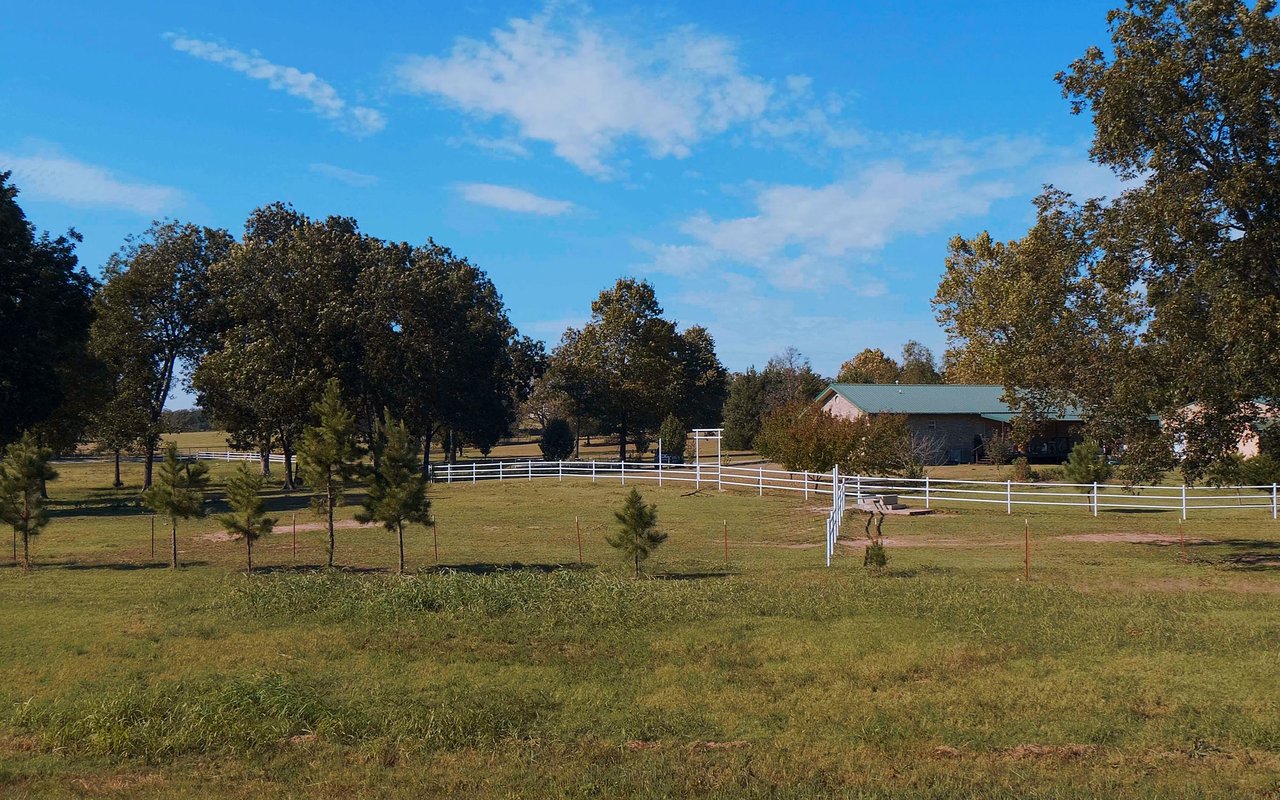
Trying to choose between USDA, FHA, and conventional financing for a home in Henryetta? You are not alone. Between income rules, property condition, and acreage quirks, the loan you pick can either smooth the path or slow it down. This guide breaks down each option in plain language for Okmulgee County buyers and explains what matters most for small-town homes, rural lots, and hobby acreage. Let’s dive in.
Quick snapshot
USDA at a glance
USDA Guaranteed loans offer 0% down for eligible buyers purchasing in designated rural areas. Many homes around Henryetta may qualify, but eligibility is address by address and your household income must fit county limits. USDA works well if you want to keep cash in hand and the property meets rural rules and basic safety standards. Expect an upfront guarantee fee and an annual fee built into your payment.
FHA at a glance
FHA loans require as little as 3.5% down with qualifying credit and allow more flexible credit histories. FHA appraisals look closely at health and safety items, which is helpful for older homes but can mean repair requests before closing. Mortgage insurance is required upfront and monthly, and for many low down payment scenarios it sticks around for the life of the loan.
Conventional at a glance
Conventional loans often deliver the lowest long-term mortgage insurance cost, since private mortgage insurance can be removed when you build equity. Credit standards are stricter and best pricing usually favors higher scores and a meaningful down payment. There are also 3% down options, such as HomeReady or Home Possible, for eligible buyers.
Eligibility basics
USDA
- Household income must fall within limits for Okmulgee County and is adjusted by family size.
- The property must be in a USDA-eligible area and used as your primary residence.
- Lenders often look for a mid 600s credit score for smoother approval, though this can vary.
FHA
- 3.5% down is available with a 580 or higher score. Borrowers with lower scores may still qualify with a larger down payment.
- Primary residence only. Condos must meet FHA approval.
- Flexible on past credit issues, but lender overlays can apply.
Conventional
- Many lenders look for 620 or higher credit scores and solid debt-to-income ratios.
- First-time buyer programs can allow 3% down if you meet program and income criteria.
- Stronger profiles get better rates and lower PMI costs.
Down payment and mortgage insurance
- USDA: 0% down is the headline benefit. You will pay an upfront guarantee fee and an annual fee. These are not the same as FHA’s mortgage insurance.
- FHA: Requires an upfront mortgage insurance premium and monthly mortgage insurance. With smaller down payments, FHA mortgage insurance typically remains for the life of the loan.
- Conventional: PMI is required with less than 20% down, but it can be canceled when you reach certain loan-to-value thresholds. Automatic termination is also governed by federal rules, which helps your long-term cost.
Appraisals and property condition
Appraisals are not just about value in small-town and rural areas around Henryetta. They also confirm safety, sanitation, and access.
- FHA: The appraiser checks the home against HUD minimum property standards. Common repair requests include handrails on steps, peeling exterior paint on older homes, roof life concerns, exposed wiring, and nonfunctional heating.
- USDA: The focus is on safe, sound, sanitary conditions and site acceptability. Expect verification of potable water, adequate sewage, and basic structural integrity.
- Conventional: Condition standards are generally more flexible. Lenders may allow repair escrows or credits more often, depending on the issue and the property.
Plan for extra time if you suspect repairs may come up. On older homes, simple fixes can keep your closing on track.
Water, septic, access, and acreage
Buying outside Henryetta often adds rural checks that affect every loan type:
- Water and septic: Lenders want proof of safe water and a working septic system. Well tests or pump performance records are common. Failing systems usually must be corrected before closing.
- Access and easements: Confirm legal access to a public road and who maintains it. Private roads may require agreements.
- Outbuildings and farm use: Small barns, loafing sheds, or shops are common. If the property is primarily residential and not a commercial farm, USDA and conventional loans can work. Lenders review how much the land use looks like a business.
- Acreage and comps: More acres can make appraisals tricky due to fewer comparable sales. A lender and appraiser with rural experience can save time.
If you plan for horses, livestock, or a hobby farm, talk through the intended use with your lender up front. A conventional loan may offer the most flexibility when the property has multiple outbuildings or unusual features.
Costs, fees, and long-term impact
- USDA: No down payment keeps cash in your pocket, but the guarantee and annual fees add to monthly cost. This is still a strong value if you qualify by address and income.
- FHA: The 3.5% down option is attractive if credit is a challenge. Over time, the ongoing mortgage insurance can make FHA more expensive than conventional once your credit and equity improve.
- Conventional: PMI depends on credit score and down payment. The big advantage is that you can remove PMI when you reach the required equity, which often leads to the best long-term cost.
Ask your lender to run side-by-side quotes that show your total payment and how mortgage insurance changes over 5, 10, and 30 years. Seeing the long view helps you make a smart choice.
Timelines, repairs, and negotiation
- Appraisal repairs: FHA and USDA are more likely to require repairs before closing. Build in time and plan a simple repair strategy so you do not lose momentum.
- Repair escrows: Some conventional loans allow an escrow for minor items so you can close and complete repairs shortly after.
- Seller concessions: All three programs allow the seller to help with closing costs. The caps vary by program and down payment, so confirm with your lender early and structure your offer accordingly.
A clear plan with your agent on how to handle repairs and concessions can keep negotiations low stress.
Local checklist for Henryetta buyers
Use this quick plan to avoid surprises:
- Confirm USDA address eligibility for any property you like. Do not assume the whole town qualifies. Check household income limits for Okmulgee County if you want USDA.
- Verify zoning and land use outside city limits. Understand whether a parcel is residential or agricultural and what uses are allowed.
- Ask for water and septic documentation. Well tests, pump records, septic permits, and any county health approvals matter to underwriters.
- Review access and easements. Confirm legal access and road maintenance responsibilities.
- Check flood risk with FEMA maps. Flood zones can add insurance requirements and change your monthly payment.
- Review property taxes with the Okmulgee County Assessor. Ask about any special assessments.
- Choose a lender with rural experience. If you want USDA, make sure the lender and appraiser have worked those files locally. For acreage, ask how they handle comps.
- Compare three scenarios. Ask your lender for USDA, FHA, and conventional quotes with payments, fees, and mortgage insurance over time.
- Confirm seller concession limits and typical repair items for each program before you write an offer.
- Ask about Oklahoma down payment assistance that can pair with conventional or FHA programs if you need a boost.
Which loan often fits
Budget-minded first-time buyer in town
- USDA is a strong fit if the address is eligible and your income is within limit, thanks to 0% down. FHA is a solid backup with 3.5% down if credit needs flexibility. Conventional 3% programs can compete when credit and income meet program rules.
Lower credit, stable income, some cash
- FHA is usually the easiest path. Expect appraisal repairs if the home needs work and plan for mortgage insurance in your monthly budget.
Small acreage with outbuildings
- USDA can work if the use is primarily residential and the address is eligible. Conventional may be better if you have strong credit and a down payment, especially if the property is unique or has multiple structures.
Move-up buyer with 10 to 20 percent down
- Conventional typically wins on long-term cost due to removable PMI and strong pricing.
How to choose with confidence
Start with the property and your long-term plan. If you are buying inside USDA boundaries and want to conserve cash, USDA is hard to beat. If your credit needs more flexibility and you have some down payment, FHA can unlock the purchase. If you have solid credit or plan to hold the home for a while, a conventional loan can offer the best lifetime cost because you can remove PMI.
You do not have to figure it out alone. With hands-on experience in land, ranch, and small-town homes across the Lake Eufaula corridor and Okmulgee County, we look at both the loan and the land. From wells and septic to access and appraisal comps, we help you line up the right financing path for the property you want.
Ready to compare USDA, FHA, and conventional for a Henryetta home or acreage? Reach out to schedule your free consult with Jeremy Grumbles. We will walk through loan options, property red flags, and a step-by-step plan to close with confidence.
FAQs
What is the key difference between USDA, FHA, and conventional loans in Henryetta?
- USDA offers 0% down for eligible rural properties and incomes, FHA allows 3.5% down with flexible credit, and conventional can deliver the best long-term cost with cancelable PMI.
How do I check if a Henryetta property is USDA eligible?
- Use the USDA property eligibility lookup to verify the exact address and confirm your household income against Okmulgee County limits before you write an offer.
Can I finance small acreage or outbuildings with these loans?
- Yes, if the property is primarily residential. USDA and conventional often work for modest acreage and typical outbuildings, while FHA can be more restrictive when condition issues show up.
What appraisal repairs are common on older rural homes?
- Appraisers often flag peeling paint, missing handrails, roof concerns, nonfunctional HVAC, exposed wiring, or water and septic issues that must be corrected before closing.
How does mortgage insurance differ across the three options?
- USDA uses guarantee fees, FHA requires upfront and monthly mortgage insurance that can last for the life of the loan, and conventional PMI can be removed once you have enough equity.